

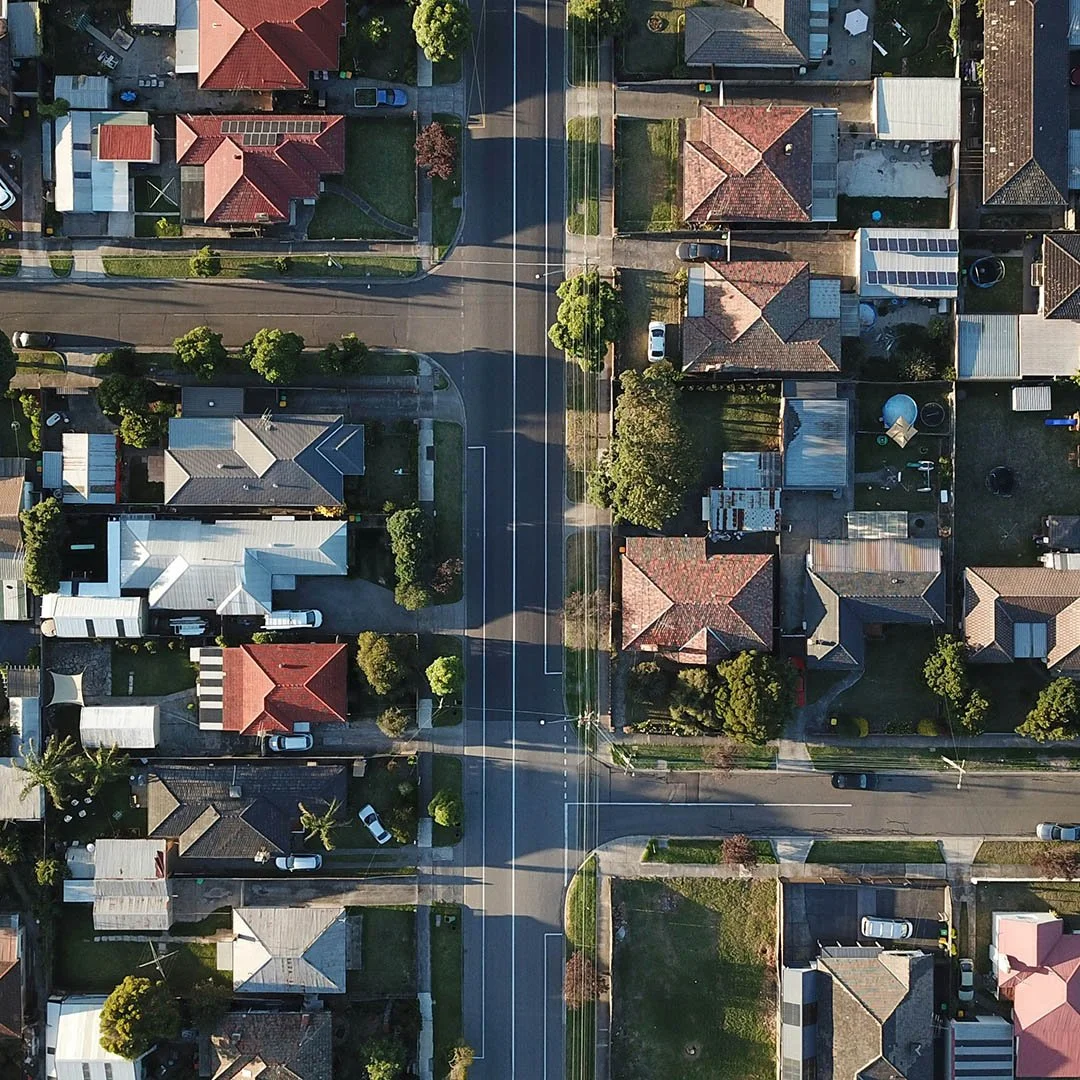
Permits for small second dwellings have nearly doubled
This is exactly what the state's planning reform was designed to achieve. We look at why the reform was made, who it was intended for, and the real benefits of adding a second dwelling to your own property.
If you've been quietly wondering whether building a granny flat, tiny home or second dwelling on your property is a sensible idea – or whether you're about to open a can of worms with council – here's something worth knowing: you're far from alone. You're part of a shift that's already well underway.
According to Victorian Government building permit data, the number of small second dwellings approved across the state has nearly doubled in the past year. What was once a fairly unusual thing to build is quickly becoming one of the most common home projects in Victoria.
A change made on purpose
This isn't an accident, and it isn't a loophole that might close if you don't move fast enough. In December 2023, the Victorian Government changed the planning rules specifically to make small second dwellings – granny flats, studios, tiny homes under 60 square metres – easier to build. For most properties, the planning permit step was removed altogether, leaving just the building permit.
The reform came out of the state's Housing Statement, its ten-year plan to build 800,000 new homes in Victoria and ease pressure on housing supply. Sonya Kilkenny, who was Planning Minister when the change was announced and still holds the role today, described removing the red tape around small second dwellings as central to that plan.
Built around real families, not developers
What's easy to miss in the policy language is who this change was actually designed for. The government's own reasoning for easing the rules wasn't about unlocking land for large-scale development – it was about ordinary households: ageing parents who want to stay close to family instead of moving into care, adult kids priced out of buying their own place, or simply the extra income a small rental dwelling can provide when the cost of living keeps climbing.
This means if you're thinking about a second dwelling for one of these reasons, you're not stretching the intent of the policy. You're the reason it exists.
The real benefits of building a second dwelling
Making it easier to build isn't the only reason people are doing this – a second dwelling genuinely earns its place on a property in a way a lot of home projects don't.
Income, without buying more land. A small rental dwelling can bring in real, ongoing income – handy when the cost of everything else keeps climbing.
Family close, without living on top of each other. Ageing parents, adult kids, or anyone who needs to be near but not merged – a second dwelling gives everyone their own front door.
A space that can change its mind. What starts as a home office or guest space can become a rental, a teenager's retreat, or somewhere for a parent to live later, without a full renovation each time.
Less disruption than moving. Building on land you already own is often simpler, and less stressful, than selling, searching and starting again somewhere new.
Value that works even when it's empty. Whether or not it's tenanted day to day, a second dwelling tends to add real value to a property.
None of this means every property is straightforward, or that a second dwelling is the right move for every family – there's still real thought to put into siting, budget, and what you actually need. But it does mean the path is genuinely easier than it used to be, the settings behind that ease aren't likely to be wound back, and you'd be joining a fast-growing number of Victorians who've already worked through the same decision.
If you're weighing up whether a second dwelling makes sense for your property, our free guide is a good place to start, or you're welcome to book a free 15-minute chat with our Director, Paul Wainwright.
