
Why your second dwelling deserves its own design
Building in keeping with the existing property
When people start thinking about adding a second dwelling to their property, a lot of the early energy goes into practical questions – what’s allowed, what it will cost, how long it will take.
Those questions matter. But there’s another one that often gets left too late: will it actually look like it belongs here?
Working with what suits you
There’s no single right answer when it comes to second dwelling solutions. Modular and flat-pack options can be a practical, cost-effective choice – and with the right advice on site position, slab, permits and installation, they can work very well.
Where custom design comes into its own is when you want a dwelling that’s been considered specifically for your property – one that takes its cues from the main house, the block and how it will actually be used.
Paul Waiwright, our second dwelling guru, can help you think through both paths and work out what makes sense for your situation.
What considered second dwelling design actually involves
A well-designed second dwelling takes cues from its context. That includes:
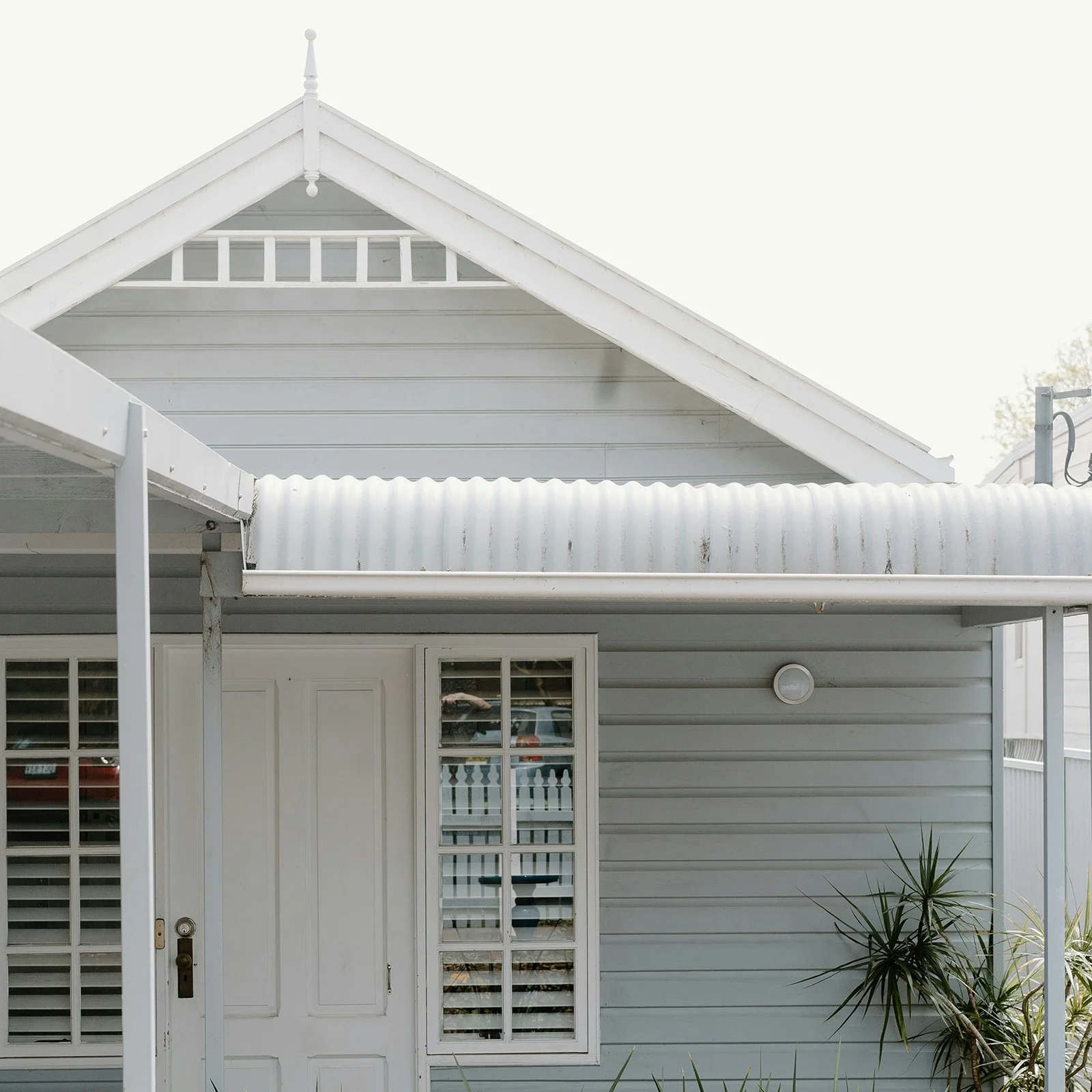
The main house. Roofline pitch, cladding materials, window proportions, colour palette – a second dwelling doesn’t need to be identical to the main house, but it should have a clear conversation with it. Period homes, coastal builds and bush properties each have their own visual language worth honouring.
The block. Where the dwelling sits, how it relates to boundaries and garden, how access works for both occupants – these are design decisions, not just site planning ones.
The people using it. A dwelling for ageing parents has different design priorities to one for a grown child, a short-stay rental or a home office. Thinking about how it will actually be used shapes everything from layout to materials to privacy.
The Mornington Peninsula context
The Peninsula has real variety in its built environment – from heritage cottages in older townships to contemporary coastal homes and rural properties with a strong connection to the land. A second dwelling that feels right in one of these settings won’t necessarily suit another.
Paul has been building and advising on the Peninsula for more than 35 years. He understands the local character – and can help you arrive at a design that fits your specific property, not just the neighbourhood category it sits in.
How Seed can help
At Seed, we work with you from the early design conversation through to permits, approvals and – for a limited number of projects – the build itself. We take on small second dwelling builds, including modular and tiny home options, where the fit is right.
If you’re still working through the rules and permit side, our guide to second dwellings in Victoria covers that in detail.
The starting point is always a conversation. If you’re thinking about adding a second dwelling and want advice that’s tailored to your property and your situation, book a consultation with Paul.
