
Let’s create smarter communities
Ask someone to picture a ‘community living’ situation and you’ll often get the same image: tie-dye, shared toilets, a suspicious amount of lentils. The commune cliché has had a remarkably long shelf life and it’s also completely at odds with what’s actually happening in the world right now.
This is because the most compelling small-home communities springing up around the world aren’t rejecting modernity. They’re upgrading it. These communities are full of architects, nurses, software engineers, retirees, young families and everything in between. These are people who looked at the standard suburban housing template and decided, quietly, that it simply wasn’t working hard enough for them – environmentally, socially or personally.
At Seed Building Consultants, we’re pretty keen on creating a smart community. We want to find the right land (and the right people) and work together to get a small home community up and running. We’re at the very beginning of this journey, so we’re looking for inspiration, connection and ideas. We’ve taken a look at the communities around the world that are doing this well – without the tie dye and lentils.
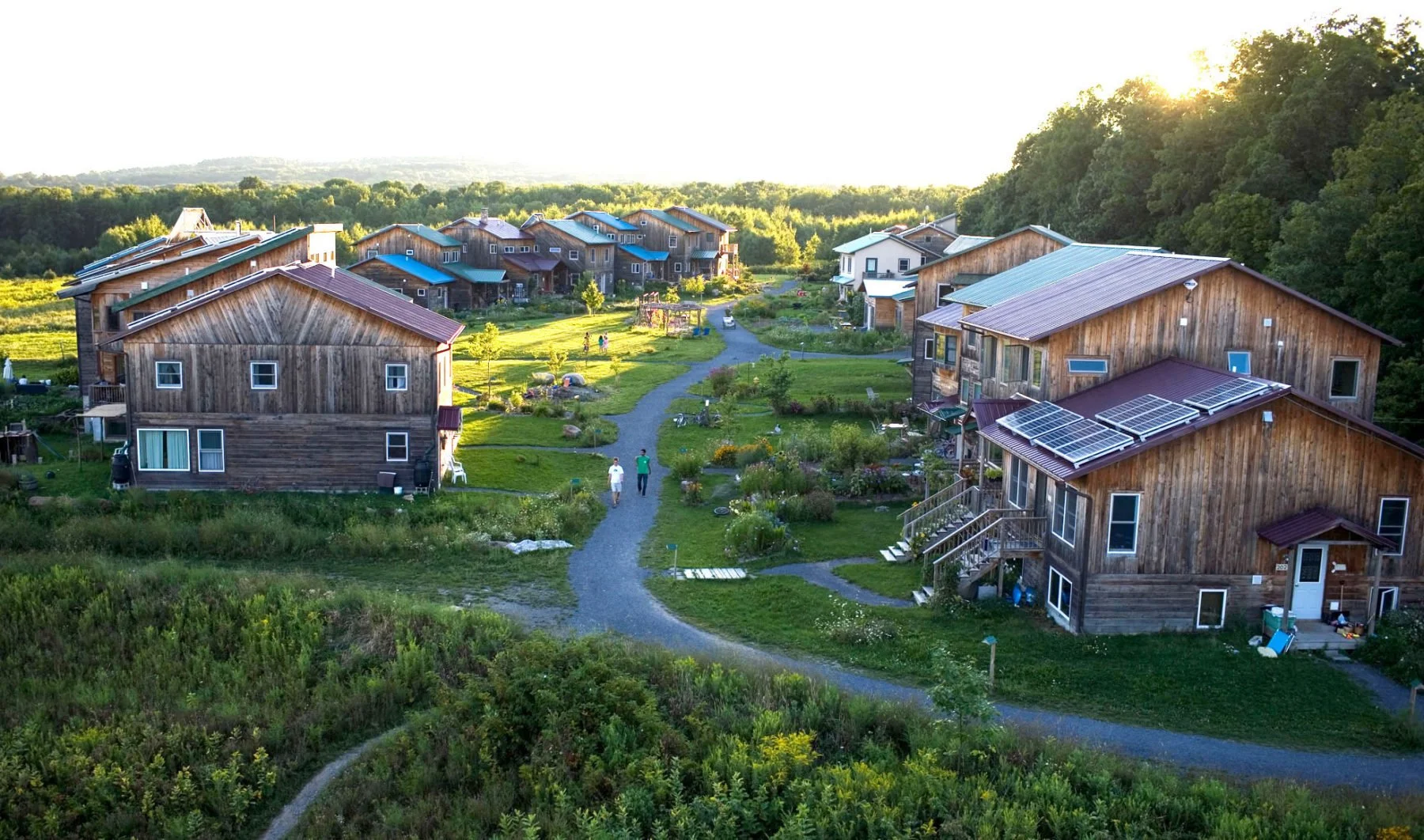
Ecovillage at Ithaca, USA –
The art of neighbourliness at scale
Running since 1991, the EcoVillage at Ithaca in upstate New York has had more than three decades to get community living right. And, by most accounts, it has. Around 210 residents live in private homes spread across three clusters, with shared kitchens, gardens, ponds, walking trails, and common houses where optional shared meals happen several times a week.
What’s telling is who lives there: families, couples, singles, people in their twenties and people in their eighties. Farmers and software engineers. Artists and legal professionals. The ecological footprint of the average resident sits at around 60% of a typical American household, not because anyone is living austerely, but because sharing tools, vehicles, cooking and laundry infrastructure simply makes sense. When the pandemic hit, residents were checking on sick neighbours, walking dogs and dropping groceries. Not because they had to, but because they knew each other.
‘Had they lived in a traditional community,’ one resident observed, ‘they wouldn’t have gotten the level of support.’
It’s not a commune. It’s a neighbourhood, designed with intention.
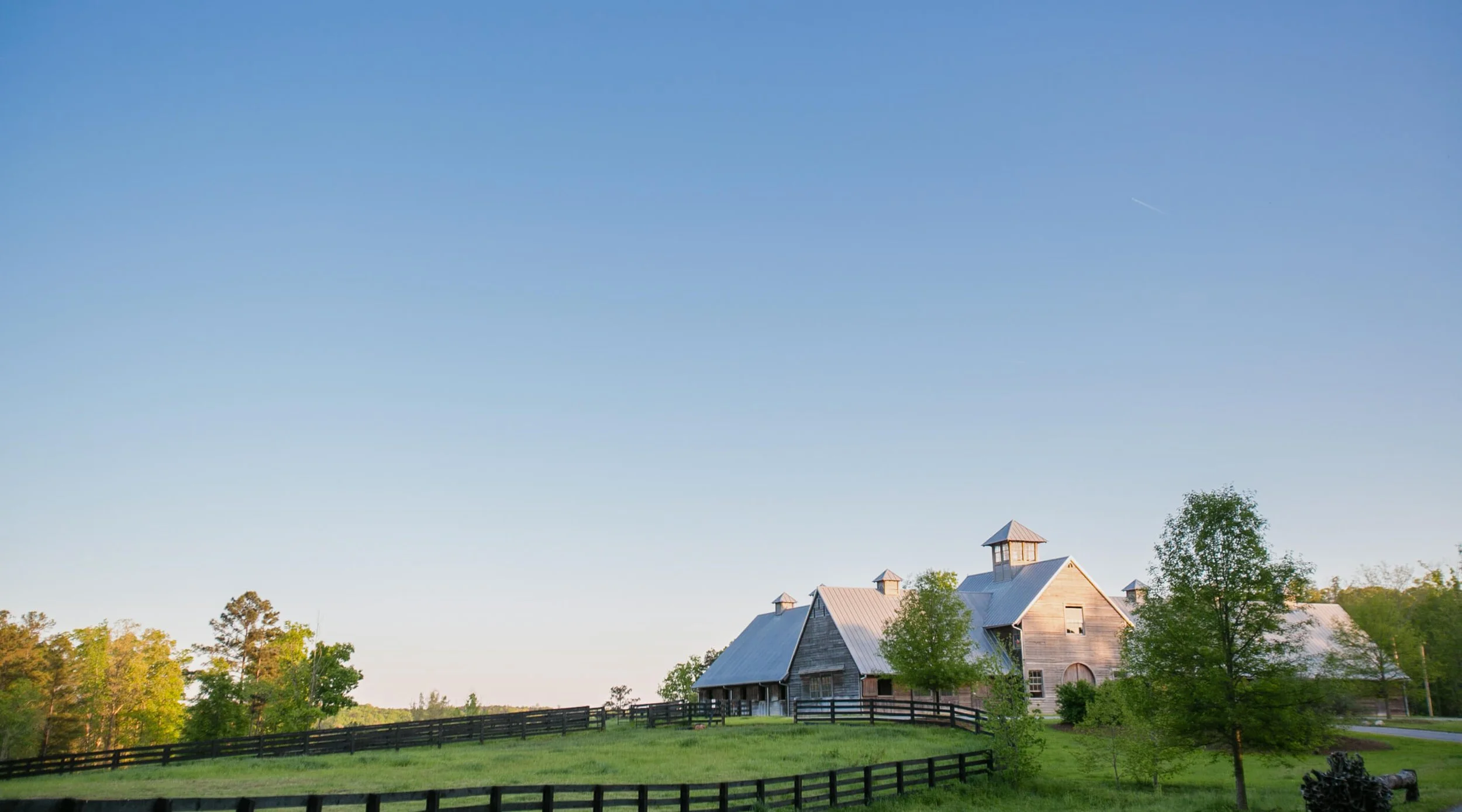
Serenbe, Georgia, USA – Where architecture meets wellbeing
South of Atlanta, in Georgia’s Chattahoochee Hills, a community called Serenbe has been quietly disproving every assumption about what ‘community living’ looks like. With over 700 residents, a 25-acre organic farm, miles of nature trails, restaurants, galleries, a school, a spa, and a wellness centre, it bears absolutely no resemblance to any kind of commune and that’s rather the point.
Serenbe is built around the idea of biophilia: that people thrive when they’re genuinely connected to nature and to each other. Its four hamlets each have their own character - arts, agriculture, wellness, and education - linked by trails rather than roads. Residents generate roughly half the car trips of a typical suburban household. The homes are architecturally diverse, custom-designed, and range from cottages to contemporary builds. Residents have come from New York, Los Angeles, England and Denmark.
It’s a model that takes the best of urban amenity and the best of rural connection, and asks: why do we assume those things can’t coexist?
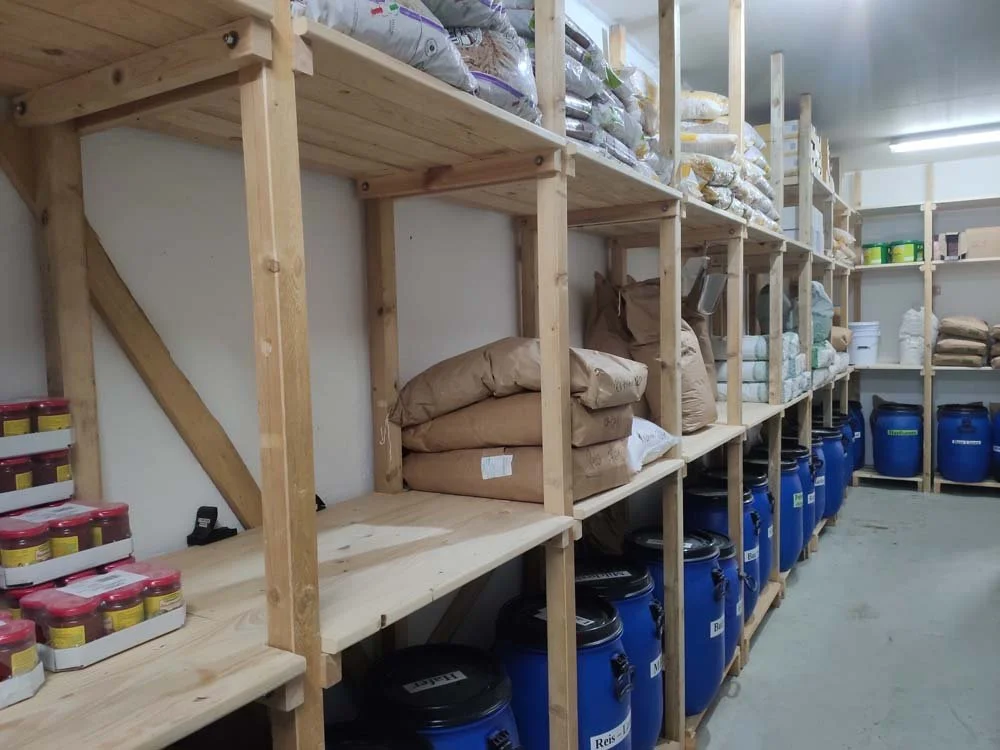
Scandinavian cohousing – An old idea whose time has come
The cohousing model, where private homes clustered around shared common spaces, was developed in Denmark in the 1960s and has since spread across Scandinavia and beyond. It’s arguably the most refined version of the small-home community concept: entirely private in terms of individual dwellings, entirely communal in terms of the spaces that matter, such as dining rooms, gardens, workshops, laundry, children’s areas.
What cohousing gets right, and what decades of research have confirmed, is that proximity by itself doesn’t create community. Design does. When you remove cars from the centre of a neighbourhood and replace them with paths and gardens, and when you give people places to gather that aren’t pubs or shopping centres, something shifts. People start knowing each other. They look after each other. The loneliness that has quietly become one of the great public health crises of our time starts to lift.
Communities like Germany’s Sieben Linden Ecovillage – home to around 140 residents who’ve reduced their collective carbon footprint to roughly half the national average – show that this model works not just philosophically, but practically and economically too.
Narara Ecovillage, NSW – Where the data backs the dream
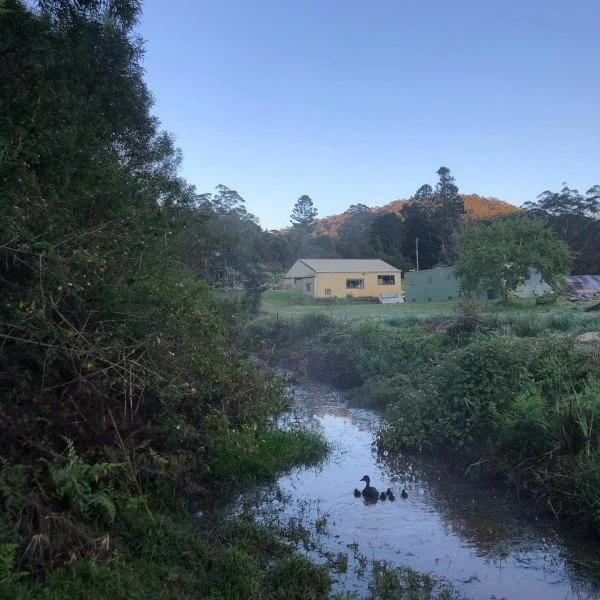
An hour north of Sydney, nestled against the Strickland State Forest on the Central Coast, Narara Ecovillage has been quietly building something remarkable since 2006. What began as one woman's response to grief - founder Lyndall Parris lost two friends in their fifties and was struck by how little support their families had around them - has grown into a community of around 200 people across 63 hectares of bushland.
The homes range from conventional builds to strawbale and hempcrete construction. Residents share gardens, orchards, workshops, a food co-operative, and a community microgrid and battery system that's become a national model for renewable energy. Governance is handled through a structured consensus model and members contribute around an hour of volunteer work per week to the community, from cooking to maintenance to administration.
What makes Narara particularly compelling is that someone has actually measured how well it's working. In 2025, Professor Rosemary Leonard, who is the Chair in Social Capital and Sustainability in the School of Social Sciences at Western Sydney University, and is also a Narara resident, conducted a social cohesion survey of 146 residents. She found that the ecovillage scored 3.2 out of 4, which is significantly above the national average of 2.8. There were especially high scores for practical support, trust and a sense of safety for children. Even the 23% of residents who live alone reported social cohesion scores similar to those living with others.
Ecovillage at Currumbin, QLD – The most awarded community in Australia
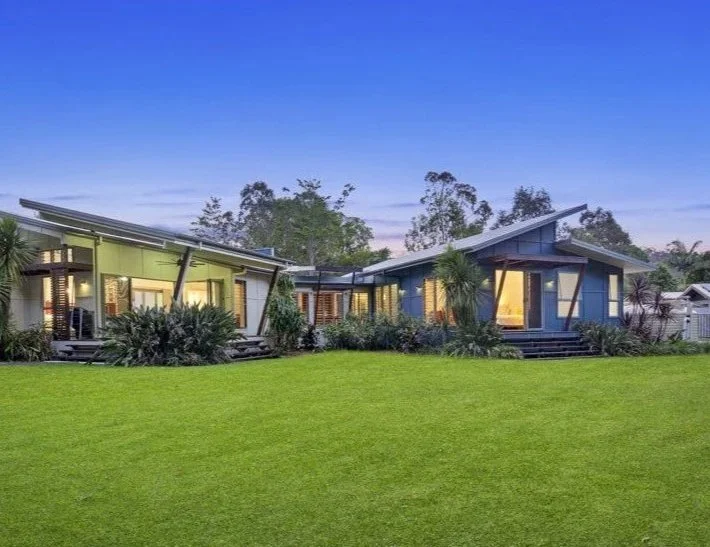
Conceived by a group of friends in the late 1990s, the Ecovillage at Currumbin in Queensland's Gold Coast hinterland has become something of a benchmark for what intentional community living can look like when it's done with real ambition. With over 33 awards to its name - including World's Best Environmental Development at the 2008 FIABCI Prix d'Excellence - it is the most awarded residential estate in Australia.
The numbers are striking: 147 lots across 270 acres, with homes and shared infrastructure covering just 20% of the site. Around 450 residents - adults, children, retirees, young families, singles - share a community hall, kitchen, pool, gymnasium, and an active calendar of events that residents organise and run themselves: yoga, dancing, craft beer tasting, festivals. Roughly 70 kangaroos also call the place home.
What the Queensland Institute of Architects said when they recognised it is worth noting: ‘It is a living, breathing real community, not just another subdivision selling itself as a community.’ Many residents describe finding something they didn't expect - an extended family. Not because they were seeking it, necessarily, but because good design made it inevitable.
DecoHousing Denmark, WA – Small scale, strong roots
The town of Denmark sits on Western Australia's southern coast, about four and a half hours from Perth - a small, arts-and-environment-minded community that has long attracted people looking for a different pace of life. It's perhaps not surprising that it's also home to one of Australia's more quietly impressive cohousing projects.
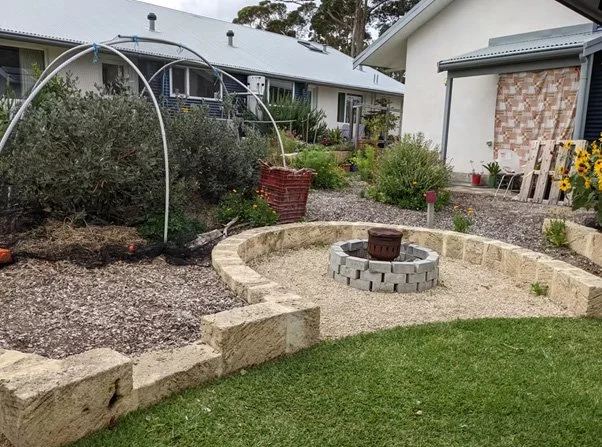
DecoHousing Denmark was founded when a group of residents formed a company in 2013 to purchase a plot of land, engaging local architects, builders and other professionals to bring their vision to life. By 2018, the first residents had moved in. The result is 12 homes and a common house, held under strata title - a deliberately modest scale, just a short walk from the town centre.
The shared common house stretches to 118 square metres and includes a large kitchen and dining area, workshop space and a kids' space. The community also shares solar power and batteries, greywater systems, rainwater collection, gardens and an orchard. Individual homes are built to a 9-star energy rating using hempcrete walls, solar passive design and heat pump hot water systems - many are effectively off-grid.
What DecoHousing illustrates particularly well is that you don't need scale to make community work. Twelve households. A shared ethos. Good design. It's a reminder that the fundamentals of this kind of living - knowing your neighbours, sharing resources, looking out for each other - don't require a masterplan or a gold coast hinterland. Sometimes they just require the will to start.
What they all have in common
These communities look different, sit in different countries, attract different people, and have different aesthetics and price points. But they share a few things that matter enormously.
First, they were designed around human connection rather than around cars and consumption. Second, they balance genuine private space with genuinely shared space - nobody is forced into communal living, but everybody has the option of it. Third, they tend to reduce costs - shared tools, shared meals, shared infrastructure add up. And fourth, the people in them report being happier, less lonely and more supported than they were before.
None of this requires a political ideology or a particular set of values. It just requires good design and the willingness to try something different.
Something is starting here, too
At Seed, we’ve always believed that the way we live is one of the most important decisions we make - and that most of us make it by default rather than by design. We work with people who are questioning that default: asking whether a smaller, smarter, more connected home might serve them better than the standard template.
It’s a conversation we love having. And increasingly, it’s a conversation that’s leading somewhere bigger.
We’re beginning to think about what a Seed community might look like. Not a commune. Not a development. Something more like what the best communities above have discovered: a collection of thoughtfully designed small homes, built around shared space and shared values, where people can own their own place and still know their neighbours’ names.
We’re in the early stages of that thinking - and we’d love to have the right people in that conversation with us.
If the idea of being part of something like this, from the ground up, speaks to you, we’d genuinely love to hear from you.
Or reach out directly to tell us about your interest in the Seed community project.
