

The quiet reason permits matter
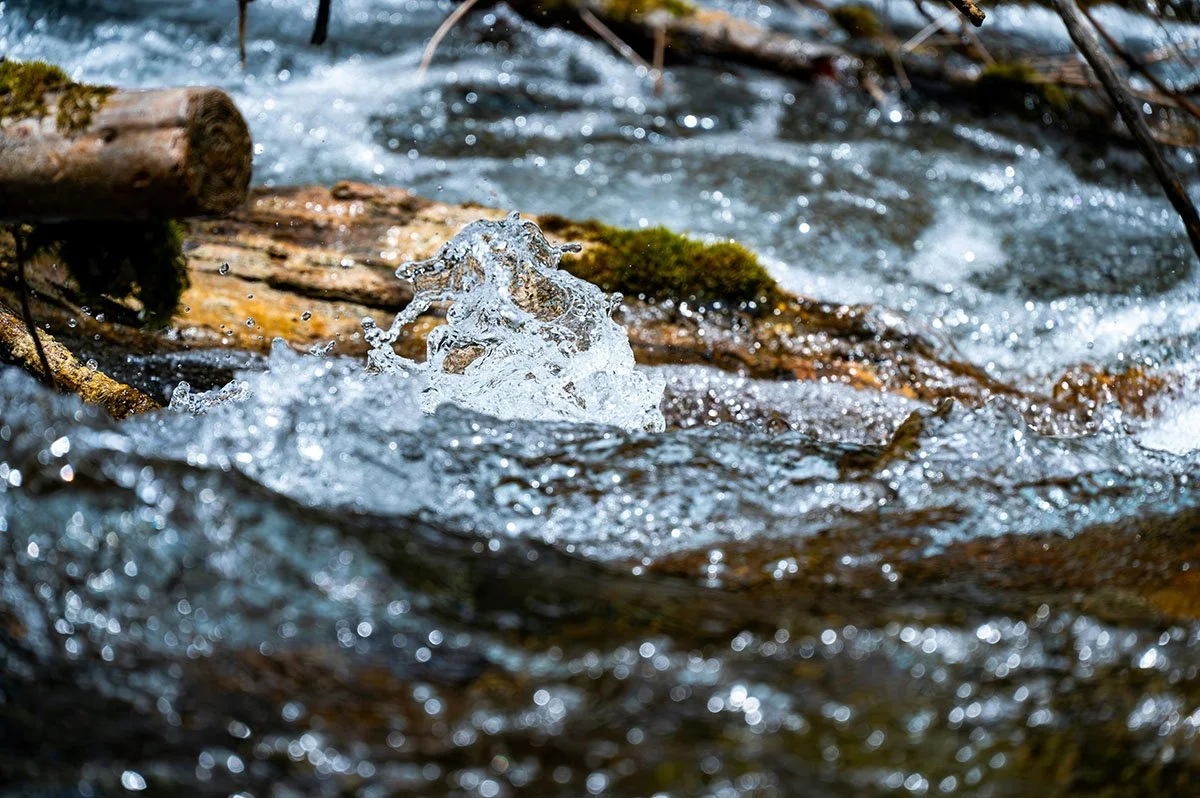
What happens downstream when tiny home owners defy the system
A blog about permits, waterways and peace of mind
If you’ve spent any time in the tiny house community, you’ve heard the argument. The system is slow. It’s expensive. It’s full of rules written for 40-square homes that don’t translate to something a fraction of the size. Some people, understandably frustrated, decide to just get on with it and build anyway.
We get the frustration. But at Seed, we want to offer another way of looking at this – one that isn’t about rule-following for its own sake, but about what actually happens when tiny homes go in without the right planning behind them.
The Part most people don’t see
Permits aren’t really about the building. They’re about everything around it. Where the greywater goes. Whether the septic system can cope with another dwelling on the block. How close you are to a creek, a waterway, or a native vegetation overlay. How stormwater moves across the site once a new roof and slab change the flow.
These aren’t bureaucratic checkboxes. They’re the reason a quiet bush block stays a quiet bush block – and not one where the creek at the bottom of the hill slowly chokes with soap residue, food waste, and washing machine runoff from upstream neighbours who decided permits were optional.
“I’ve been on sites where someone’s beautiful little tiny home has gone in up the hill, and the greywater is just seeping down into the neighbour’s paddock. Nobody wins in that situation. Not the builder, not the neighbour, not the nearby creek.”
– Paul Wainwright, Seed Building Consultants
Why the rules exist (and why they’re worth working with)
Victoria’s planning overlays look dense on paper, but most of them trace back to something real that happened on that land. A fire. A flood. A landslip. A waterway that couldn’t absorb what was being put into it. When you understand what each overlay is protecting against, the rules stop feeling arbitrary and start feeling like a map of what’s already gone wrong on sites like yours.
Getting the right permits also protects you. An un-permitted dwelling is difficult to insure, complicated to sell, and genuinely risky if something goes wrong on site. The long way round is often the short way in the end.
And then there's peace of mind
We'll be honest – this one's personal. Some people are genuinely comfortable building without the right permits, and we understand the reasoning behind that choice. But it isn't ours. We wouldn't sleep well at night knowing we'd helped someone build outside the rules that exist to protect their land, their neighbours, and the waterways and bushland around them. Doing things properly isn't just a professional standard for us – it's the only way we know how to work. And in our experience, it's also what most of our clients want, even if they didn't quite have the words for it when they first got in touch.
A better path through
None of this means the system is easy. It isn’t. That’s exactly why independent advice matters – someone in your corner who knows how councils think, what planners are looking for, and where the genuine flexibility sits within the rules.
Paul has spent decades working alongside councils and building inspectors across Victoria. He’s seen what happens when people do it right, and what happens when they don’t. His advice isn’t about hoops – it’s about helping you land somewhere you can actually live in, insure, pass on, and be proud of.
Feeling stuck in the planning system?
That’s exactly what our free 15-minute consultation is for. No sales pitch – just a conversation with someone who’s walked this path many times before.
